How Fashion Became the Engine Behind Film Marketing
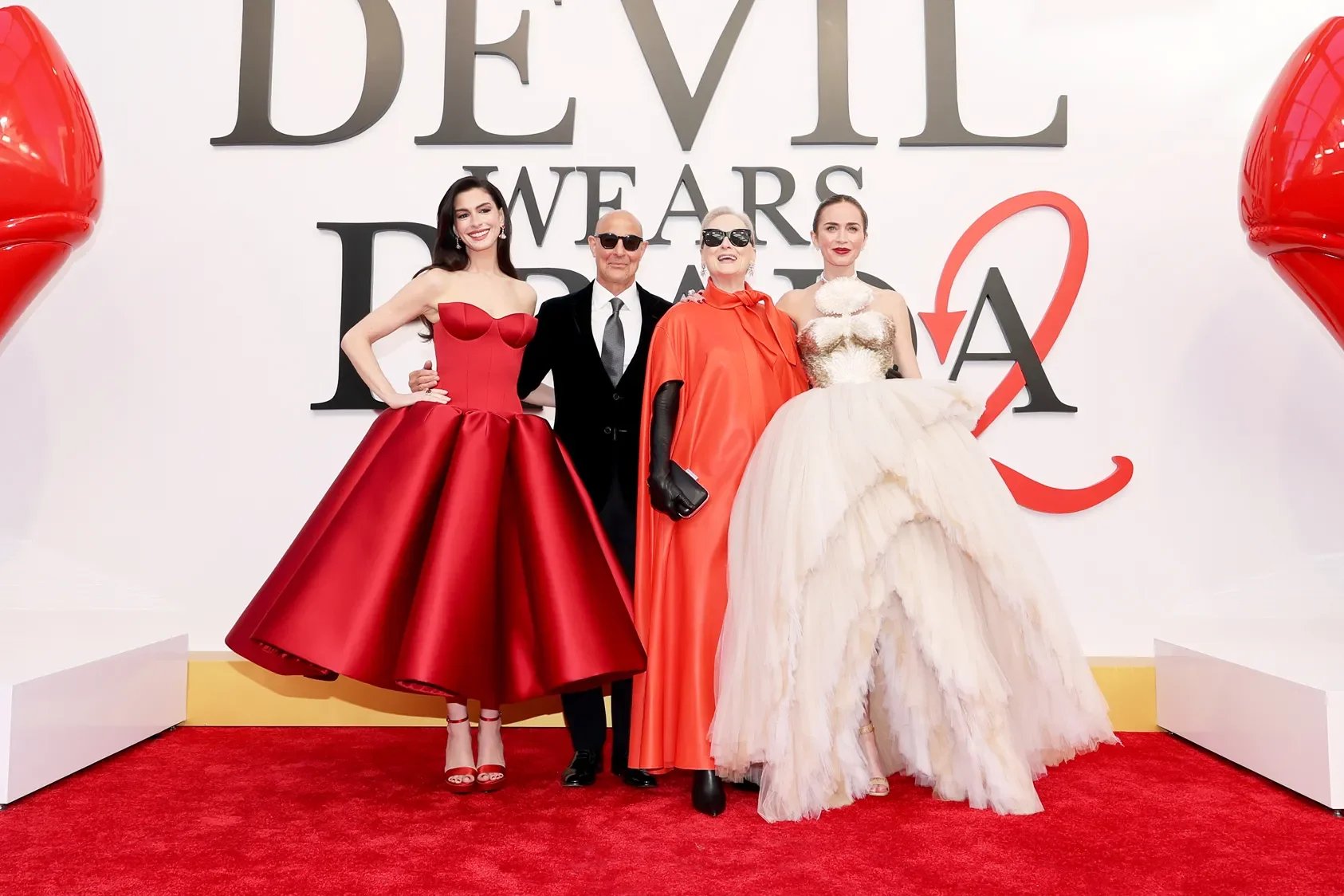
Red, pink, green: stripped-back visual codes that can be recognised instantly, replicated endlessly, and understood without context. What looks like an aesthetic decision is, in reality, a highly controlled communication strategy designed for how we actually consume content today.
This shift isn’t happening in a vacuum. Attention spans are shrinking: studies often cite an average of around 8 seconds, while the average user scrolls through hundreds of pieces of content per day. On platforms like TikTok and Instagram, the first second is what determines whether something lands or disappears. The faster a viewer can process an image, the more likely it is to register and convert into engagement.
That’s why visual identity is being simplified into systems. One dominant colour, one recognisable silhouette, one repeatable code.
“Barbie” proved just how powerful this can be, with pink becoming so culturally embedded that it drove both online conversation and real-world behaviour, contributing to a global box office of over $1.4 billion. “Wicked” followed with green, building a similarly cohesive visual language across trailers, press, and partnerships. Now, The Devil Wears Prada 2 is doing the same with red - a colour that not only references the original film but also encapsulates authority, control and power, all core to the character of Miranda Priestly.
What matters here isn’t the colour itself, but the discipline behind it. Across trailers, press appearances, social content and brand collaborations, repetition creates familiarity, and familiarity is what drives recall. The same thinking extends beyond visuals into behaviour. The press tour, which used to sit outside the film, now operates as a continuation of it.
When Meryl Streep appears at Fashion Week in a way that subtly echoes her character, or when cast styling mirrors the film’s themes of authority and precision, those moments aren’t incidental. They’re constructed extensions of the story. The audience isn’t just watching a film, they’re experiencing it across multiple touchpoints, often before it even reaches cinemas.
This reflects a broader shift in PR. It’s no longer about visibility in isolation, but about consistency over time. Every appearance, every look, every image needs to align with the same world, the same tone, the same codes. The goal isn’t just to be seen, but to be recognised instantly, wherever the audience encounters you.
In that context, actors are no longer just performers promoting a project; they become carriers of the narrative itself. Their presence, their styling, and even the spaces they occupy all contribute to how that project is perceived and remembered. The line between fiction and reality becomes intentionally blurred, because that’s what keeps audiences engaged for longer.
For Maison Hunting, the implication is pretty clear. The next generation of talent won’t be defined solely by their creative output, but by their ability to operate within these systems. It’s about understanding how image, presence, and narrative intersect, and recognising that every visual decision feeds into a much bigger ecosystem.