Why Originality Is the Real Risk
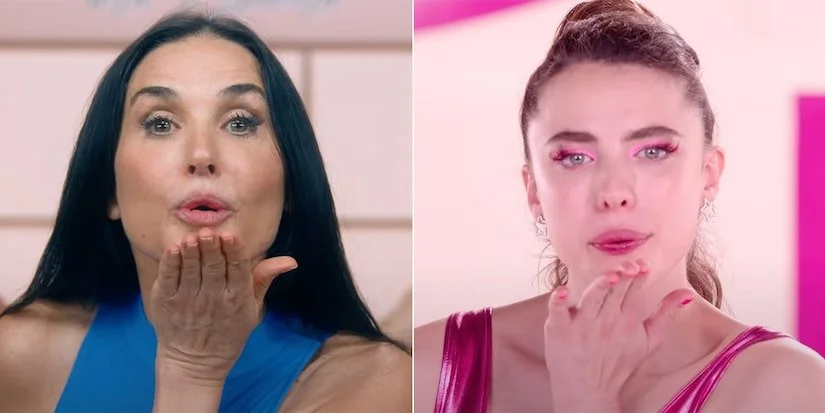
Every few months, a familiar title comes back to our screens.
The Little Mermaid, Gossip Girl, The Devil Wears Prada, even Harry Potter has been given a full series reboot. And now, as How to Lose a Guy in 10 Days 2 is officially announced, it feels less like a trend and more like an industry reflex.
A classic gets a sequel. An animated film gets the live-action treatment. An old cast reunites for a revival. We might assume it's creativity that brings these stories back — but what has effectively earned them another shot is far simpler than that: they worked once. And in an industry built on returns, that is enough.
Success is one of the most powerful forces in entertainment. If you can replicate it, you can replicate revenue. Audiences complain about remakes, question their purpose, ridicule them before they're even released and insist the original should have been left alone. Yet tickets still get bought. Interest is still piqued. It feels less like coincidence and more like studios know exactly what they're doing — intentionally latching onto one of the most powerful things we humans value: familiarity.
Why take a financial risk on an unknown story when you can take something that already worked and give it another chance to generate returns? With an existing audience, a nostalgia factor and a proven track record, it is significantly easier to market something people already know than to convince them to invest their time and money in something entirely new.
And here's the thing — there is nothing inherently wrong with a remake. Or a sequel, for that matter. Well-made ones can have a wonderful impact on loyal fan bases, particularly when they bring a fresh perspective or reinterpret a story for a new generation. Dune, Top Gun and the Creed trilogy all demonstrated what's possible when a familiar property is handled with genuine creative intention. The problem isn't revisiting an old story. It's revisiting it without having anything new to say.
But this instinct of defaulting to what has already been validated isn't unique to film. It runs through every creative industry. In music, in fashion, in content, in brand strategy: the pressure to replicate a proven formula is everywhere. Copy the aesthetic that went viral, follow the format that performed, build something that looks like what's already working. The result is a landscape where everything starts to blur — where originality becomes the exception rather than the expectation.
The irony is that the work that actually breaks through is almost never the work that played it safe. Sinners, Jordan Peele's entire body of work, the viral rise of independently made films like The Backrooms or Obsession — these succeeded not in spite of their originality but because of it. (And yes, we are fully aware that this is the part where we have to acknowledge that horror has quietly become the most creatively daring genre in cinema — a conversation we are very much prepared to have, and one it absolutely deserves.) Audiences are more than ready for something different. They just need someone willing to back it with conviction.
As we grow increasingly anxious about technology replacing human creativity, a quieter danger goes largely unaddressed: keeping our art stagnant by defaulting to what we already know works. We are not interested in what has already proven itself to the world. We are interested in what is about to. The talent we represent — dancers, photographers, stylists, musicians, creative directors — are not remakes of anything. They are originals, building visual and cultural identities that have never existed before.